
The Learning Systems Edge
The Learning Systems Edge is where research meets reflection.
It is the intellectual home of LightCube’s ongoing exploration of leadership, learning, and human capability. A space for ideas that are still being developed, questions that resist easy answers, and perspectives that challenge conventional thinking about how organisations build the capacity to lead, learn, and adapt.
This is not a blog in the traditional sense. It is a body of work. Each piece connects to a larger inquiry about what it actually takes for people and organisations to thrive in conditions of complexity, uncertainty, and change.
Explore by Theme

Leadership Architecture
How leadership systems shape behaviour, decision-making, and organisational performance.
Leadership is not a title or a competency model. It is the architecture of decisions, cultures, and systems that determine how an organisation actually functions. This theme explores how that architecture is designed, built, and evolved.

Human Systems Under Pressure
How people think, learn, and perform in conditions of uncertainty, complexity, and change.
Under pressure, human systems reveal their true design. This theme draws on neuroscience, behavioural research, and field experience to explore what happens to decision-making, collaboration, and learning when the environment becomes volatile, ambiguous, and high-stakes.
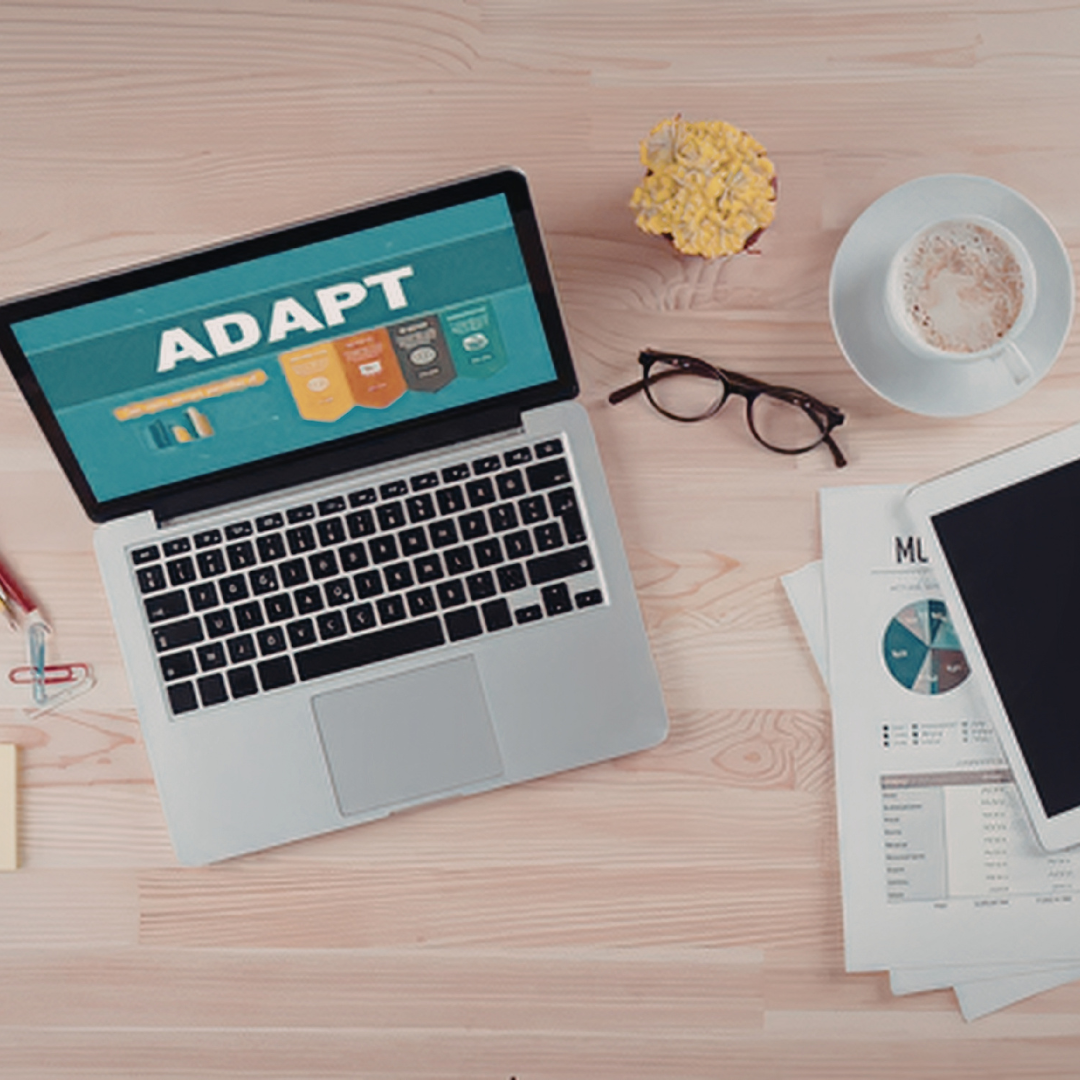
Adaptive Capability
How organisations and individuals remain relevant, resilient, and effective as environments evolve.
The organisations that will endure are not the ones with the best strategy documents. They are the ones with the deepest capacity to learn, unlearn, and relearn at the speed their environment demands. This theme explores how that capacity is built and sustained.
Featured Insight
Universities in an AI-Shaped Economy: Relevance, Adaptation, and Real-World Impact
In an AI-shaped economy, do universities still hold value to the next generation? The short answer is yes, but not in the same way they did before. In today’s rapidly evolving environment, the role of universities is shifting dramatically. The old model, where a...
The Great Flattening: Why Organisational Efficiency Risks Fragility and How Leaders Can Build Resilience
The Great Flattening is here and it’s shaking up how organisations operate. Companies like Google, Microsoft, Amazon, and Intel are cutting layers, flattening hierarchies, and pushing for leaner teams. On the surface, this sounds like a win for speed and efficiency....
What Would Spiritual Intelligence Look Like in an Organisation?
What would spiritual intelligence look like… not in an individual leader… but in an entire organisation? What would it mean for a company to have consciousness to make decisions with wisdom, to act from deep purpose rather than fear, and to stay centred and connected...
A Growing Body of Work
The Learning Systems Edge is a living platform. New articles, research reflections, video conversations, and executive insights are added regularly.
If these questions matter to you, I invite you to follow the work, engage with the ideas, and contribute to the conversation.